NASHIA State of the States
Participation in national brain injury systems conversations focused on screening and state-level practice.
Proof in the Field
Selected examples of real-world screening, implementation, training, and systems work.
Substance Use Treatment
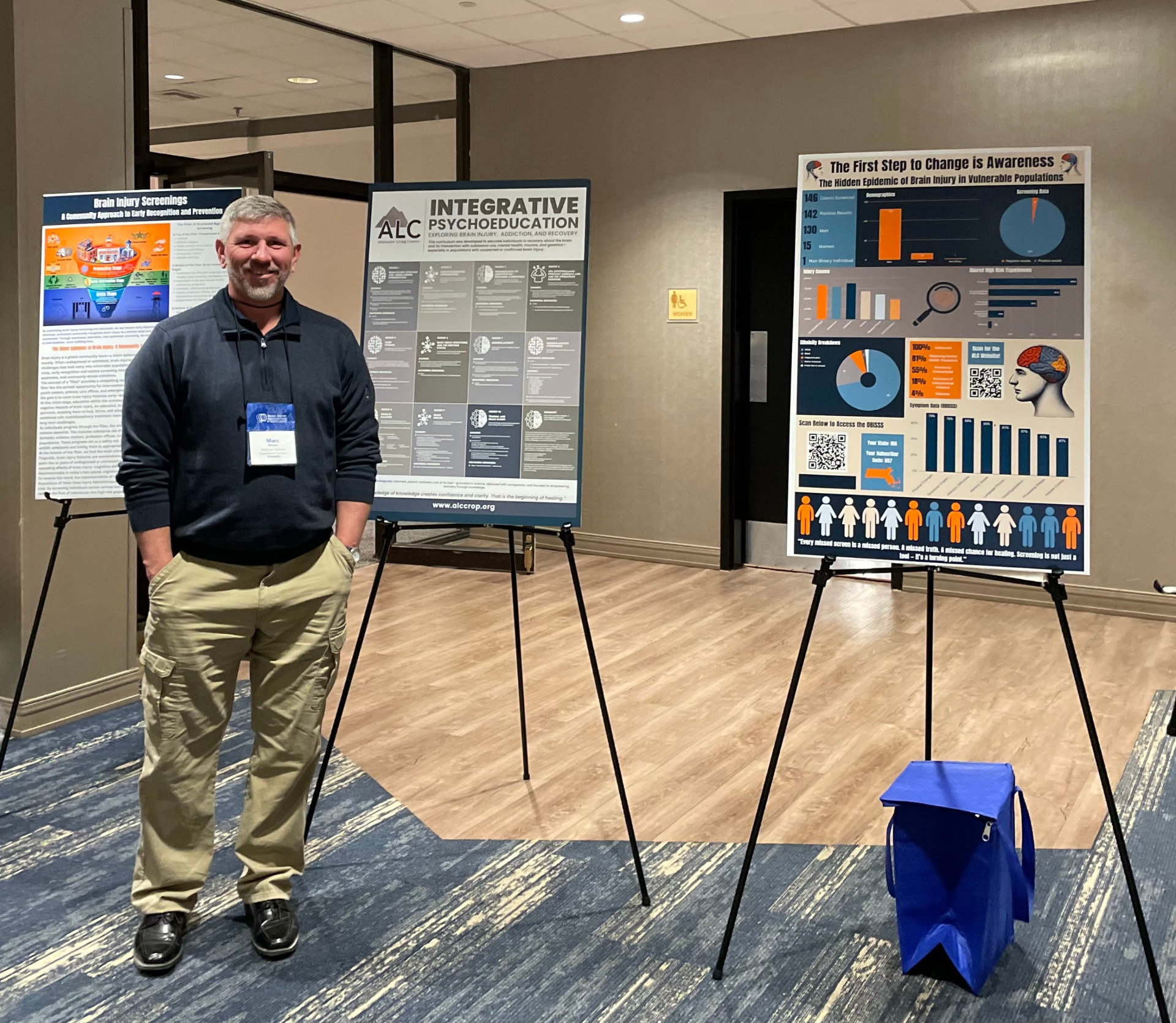
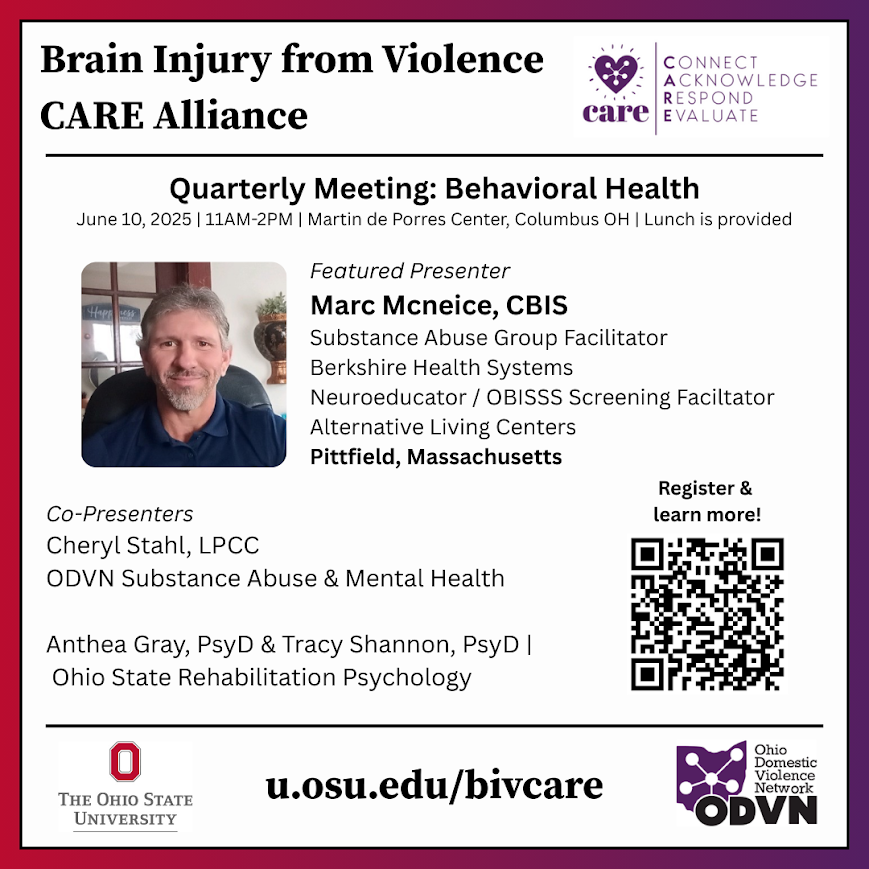
Marc works as a Brain Injury Specialist within a substance-use treatment environment, where brain injury history is common and frequently unrecognized. The work is embedded in day-to-day programming rather than delivered as a one-time event.
The work includes
380+
Brain Injury Screenings
Across Substance Use, Behavioral Health & Justice Settings
Screening is not the endpoint. Recognition is only useful when it leads somewhere — education, practical response, accommodations, referrals, and continued support. Screening is not a medical diagnosis.
Systems Convening
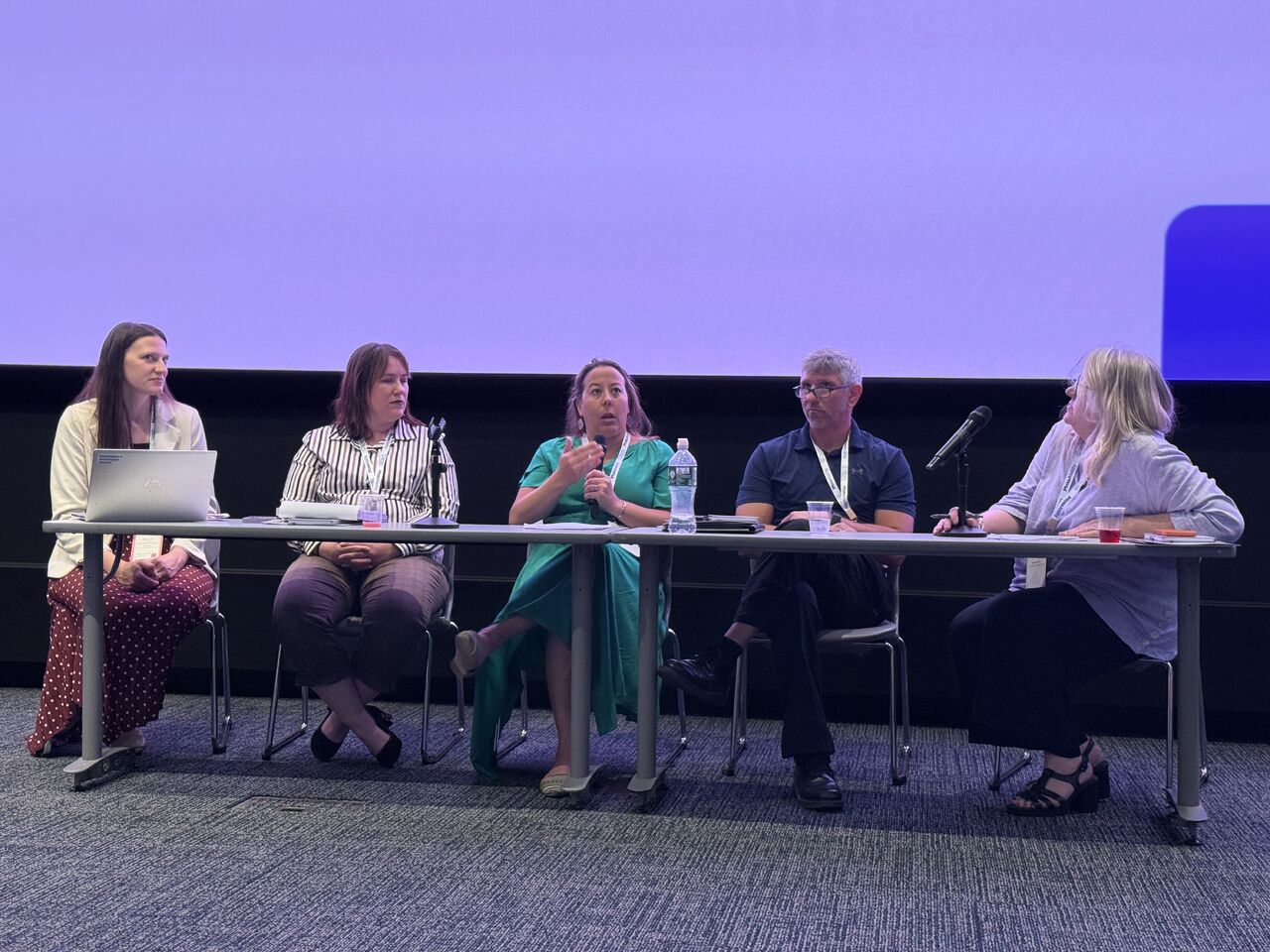
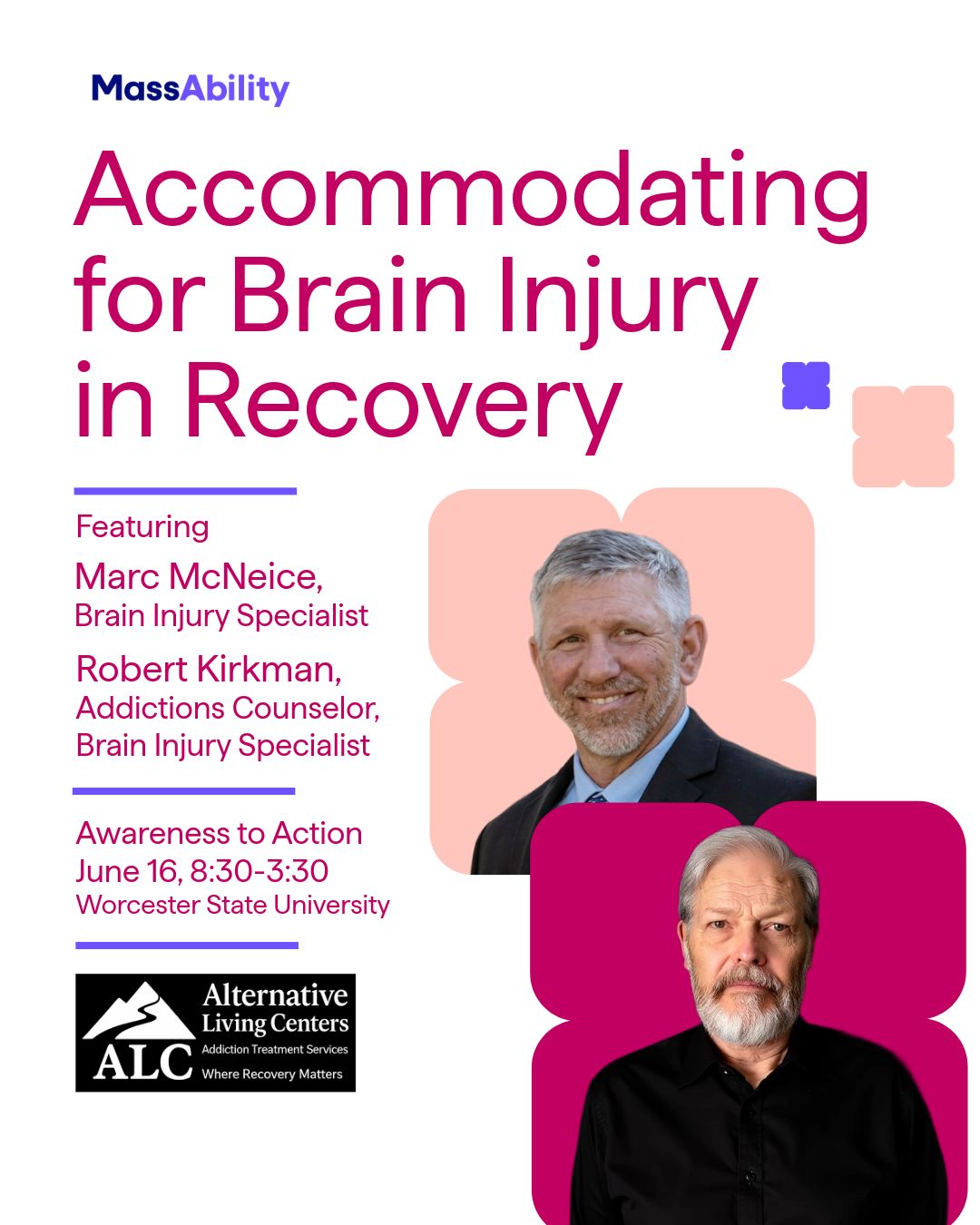
“Awareness to Action: Advancing Brain Injury Screening Across Systems”
MassAbility — June 2026
Marc took part in the panel discussion and delivered two implementation presentations focused on bringing brain injury screening into real-world systems — and on what needs to happen after a screening is complete.
The emphasis was practical: how organizations introduce screening into existing workflows, how staff interpret what they learn, and how recognition is translated into education, accommodations, and appropriate referrals.
Justice, Corrections & Reentry
Completed screening, education, and professional training work across correctional, reentry, and community-justice environments.
Berkshire County Sheriff’s Office / Second Street Second Chances
Brain injury screening and education delivered within a county correctional and reentry environment.
Reentry settings
Brain injury screening and education for people preparing to return to the community, with practical strategies and resource connection.
Jail clinical and counseling professionals
Brain injury education for clinical and counseling staff working directly with incarcerated individuals.
Pittsfield Community Justice Support Center
Brain injury screening and education within a community-justice support setting.
North Carolina corrections and justice training
Prior training connected with brain injury and disability organizations, focused on recognizing brain injury in justice-involved populations.
Professional Education
Completed education and training work involving brain injury, substance use, behavioral health, interpersonal violence, and other high-risk populations.
Participation in national brain injury systems conversations focused on screening and state-level practice.
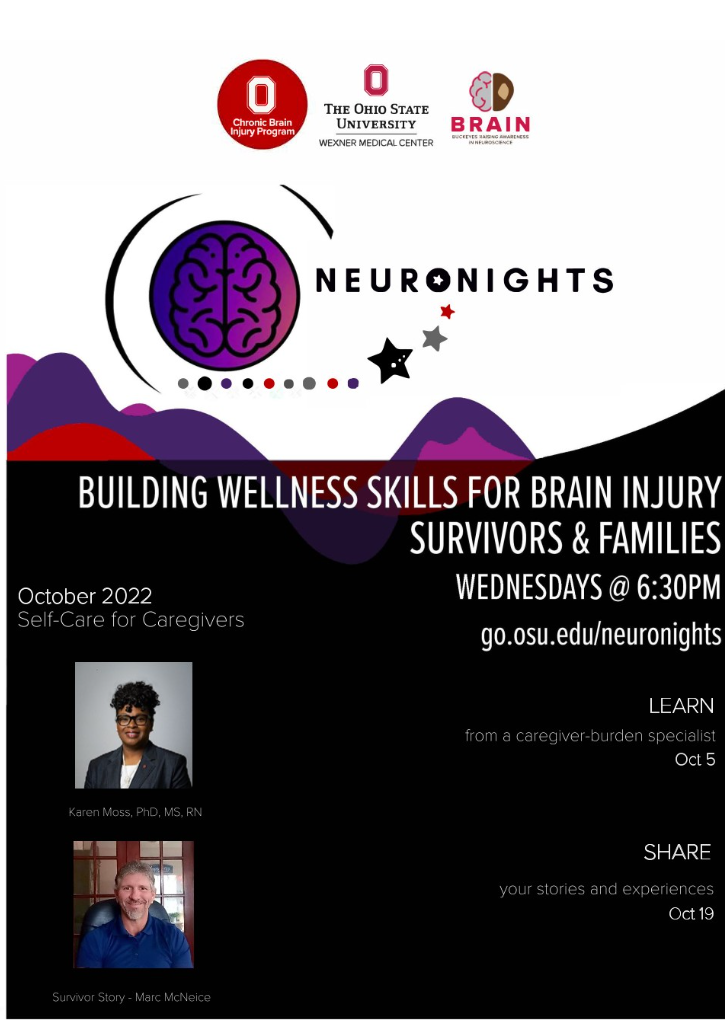
Professional education and community-facing brain injury presentations.
Presentation work translating brain injury experience and screening practice for professional audiences.
Education connected to brain injury and interpersonal violence, and what recognition changes in practice.
The Through-Line
The work changes settings. The question stays the same: Could brain injury be part of what we are seeing?
The goal is to move systems from missed brain injury toward recognition, education, practical response, and appropriate connection to resources — so the response fits the person in front of you.
Treatment programs, justice and reentry organizations, community systems, and professional groups are welcome to start a conversation about screening, education, training, consultation, or implementation.
Start a Conversation